
How proactive planning can protect facilities, occupants, and recovery budgets after severe weather
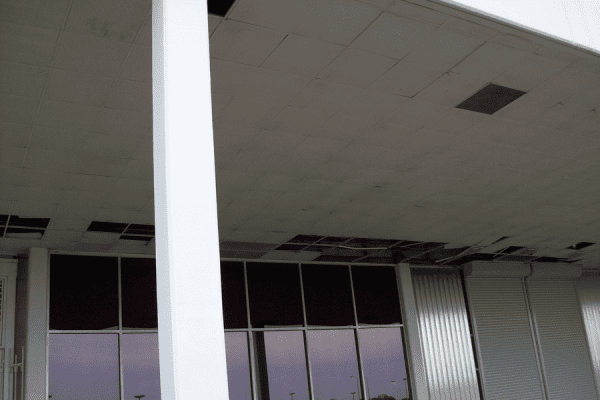
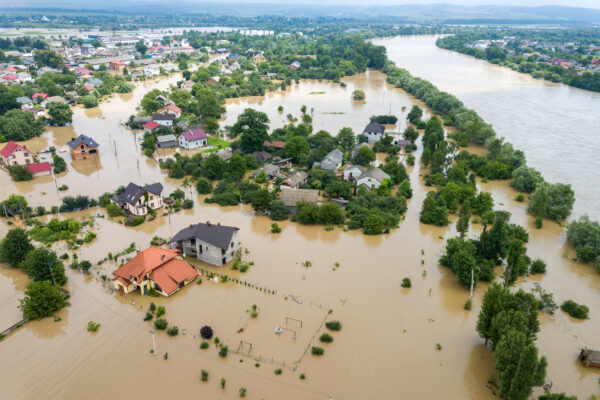
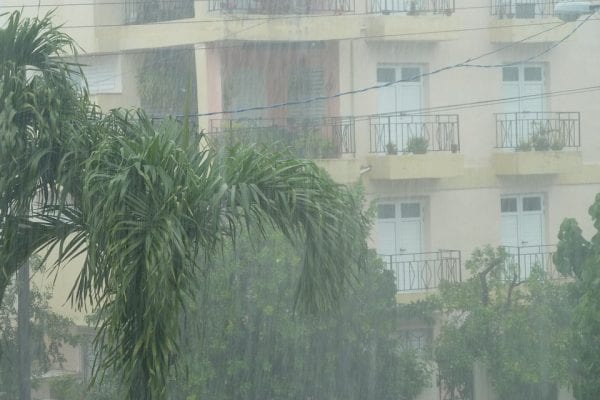
Severe weather can leave behind more than visible property damage. Flooding, roof leaks, wind-driven rain, and prolonged moisture intrusion frequently create environmental, industrial hygiene, and building system concerns that require specialized evaluation before repairs begin.
A recent Occupational Safety and Health Administration (OSHA) interpretation serves as an important reminder that post-flood restoration activities can pose hidden risks when asbestos-containing materials are present. OSHA clarified that drywall replacement and repair activities involving water-damaged building materials may trigger asbestos-related work requirements when remaining asbestos-containing materials could be disturbed during restoration. [osha.gov]
For facility owners, schools, healthcare providers, commercial property managers, and industrial operators, this reinforces the importance of conducting professional assessments before demolition, reconstruction, or restoration activities begin.
Why Early Assessment Matters
Storm-related damage often exposes conditions that were previously hidden within wall systems, ceilings, flooring, and mechanical spaces. Environmental hazards, moisture issues, and structural concerns can quickly complicate recovery efforts if they are not identified early.
GLE helps clients minimize these risks through:
- Environmental assessments
- Asbestos inspections and consulting
- Industrial hygiene services
- Indoor air quality evaluations
- Mold assessments
- Construction monitoring and project oversight
- Regulatory compliance support
Identifying issues early can help reduce project delays, support worker safety, streamline insurance documentation, and prevent costly surprises during restoration.
Storm Preparedness Checklist for Facility Owners
Before severe weather impacts your property:
Protect Your Facility
- Inspect roofs, drainage systems, and exterior building components.
- Secure outdoor equipment and loose materials.
- Test emergency power systems and backup generators.
- Review flood-protection measures for vulnerable areas.
Organize Critical Information
- Update emergency response and business continuity plans.
- Maintain current building drawings and facility records.
- Photograph existing building conditions.
- Verify emergency contact information for vendors and contractors.
Evaluate Environmental Risks
- Identify known asbestos-containing materials and other environmental concerns.
- Review previous environmental assessments and inspection reports.
- Document the location of hazardous materials and storage areas.
- Ensure access to important compliance records.
Prepare for Recovery
- Establish procedures for post-storm building assessments.
- Identify qualified environmental and engineering consultants before an event occurs.
- Develop protocols for evaluating water-damaged materials.
- Plan for occupant health, worker safety, and regulatory compliance during restoration activities.
A Partner Through Every Stage of Recovery
The pressure to restore operations quickly after a storm is understandable. However, moving directly into demolition or reconstruction without understanding underlying environmental and building conditions can increase risk, create regulatory challenges, and extend recovery timelines.
GLE provides comprehensive support before, during, and after severe weather events. From environmental consulting and industrial hygiene evaluations to building assessments, construction oversight, and compliance support, our team helps clients make informed decisions that protect people, property, and investments.
Preparedness Today. Resilience Tomorrow.
Storm recovery begins long before the first forecast cone appears. By combining proactive planning with expert environmental and engineering support, organizations can reduce risk, improve response efforts, and recover with confidence.
Need assistance with storm preparedness, facility assessments, environmental consulting, industrial hygiene services, or post-disaster recovery? Contact us to learn how our multidisciplinary team can support your organization before and after severe weather events.